
Main Sewer Line Cleaning
Clear a clogged main sewer line fast, from the house trap to the city main, with cable machines, jetting and camera proof.
Main Sewer Line Cleaning details
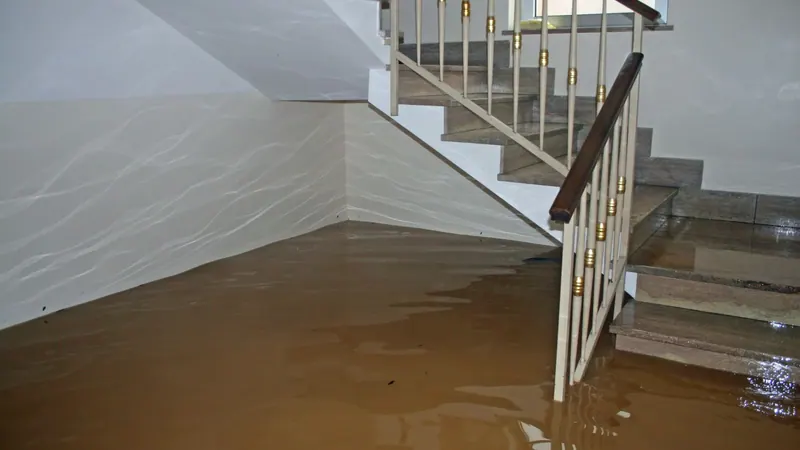
Sewage coming up through the basement floor drain needs fast action. We stop the backup, clear the line, clean up the plumbing mess and help keep it from happening again.
Quick answer: Stop using all water in the house right away. Do not flush, run the washer or use sinks, because every gallon adds to the backup. Keep children and pets away from the sewage and avoid touching it without gloves. If water is near outlets or appliances, stay out of the area. Then call for sewer backup service so the main line can be cleared and the cause found.
A sewer backup happens when wastewater cannot flow out through your main sewer line and comes back up through the lowest drain in the house instead. In most Philadelphia homes that is the basement floor drain, a basement toilet, a laundry tub or the drain next to the water heater. The cause is either a blockage in your own line, like roots, grease or wipes in the lateral, or water from the city sewer pushing back toward your home during heavy rain. Either way, you need the flow stopped and the line cleared as fast as possible.
Fullerton Plumbing and Drain Cleaning handles sewer backup service from the first call to a working drain. We find out whether the backup is a clog in your line or a surge from the sewer, clear the blockage with a cable machine or hydro jetter, and camera the line so you know the cause. Then we clean up the plumbing mess around the drains, cleanouts and work area. We do not do water damage restoration or mold remediation. If your basement needs drying, flooring removal or mold work, we will tell you and you can bring in a restoration company once the plumbing is fixed.
We provide sewer backup cleaning for homes, apartment buildings and businesses across Philadelphia and Bucks, Montgomery, Delaware and Chester counties. Backups often hit at night, on weekends or during storms, so Fullerton is open 24 hours a day, 7 days a week, including holidays. You get an upfront quote before any work starts. While you wait for us, stop running water, do not flush, and keep people and pets away from the sewage.
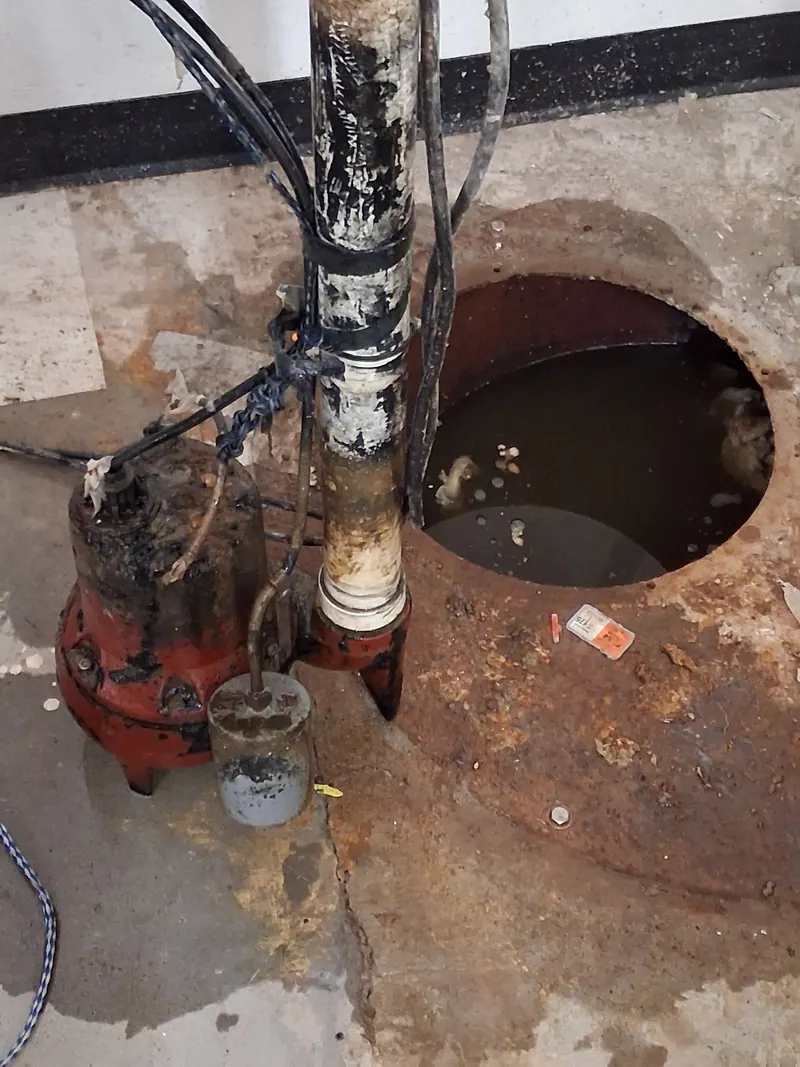
The most common sewer backup comes from a clog in your own main line. Wipes in the house trap, grease in the lateral, or roots at clay joints stop the flow, and waste comes back up the lowest drain. Clearing the line ends the backup, and a camera check shows the cause.
During heavy rain, Philadelphia's combined sewer can fill and push water back toward basement drains. The house line may be clear, but the sewer has nowhere else to go. A backwater valve on the main line, kept in good working order, helps stop this kind of backup at older rowhomes.
A clogged house trap, or one with a cracked or missing cleanout cap, can send sewage onto the basement floor near the front wall. We clear the trap, replace bad caps and check the line past the trap. A dry trap can also cause sewer smell without a full backup.
In apartment buildings and mixed use properties, one tenant's grease or wipes can back up into another unit or the basement. We clear the building drain, camera the line to find the problem spot, and help property managers set a maintenance schedule to prevent repeat calls.
We first make sure no more water is entering the line. That means no fixtures running, no flushing and no laundry. If the backup is from a clog, we go straight to clearing it. If it is a storm surge from the city sewer, we assess what can be done safely while the sewer is still full.
We open the main line through the house trap cleanout or another access point and clear the blockage with a sectional cable machine. For grease, sludge or heavy debris we may follow with hydro jetting. Once the line is open, the standing water in the drains goes down and the house can drain again.
We run a sewer camera through the cleared line while you watch. We look for roots, grease, wipes, broken pipe, sags and problems at the house trap. If the backup came from the combined sewer during a storm, we look at whether a backwater valve or other changes would protect the basement.
We clean the drains, cleanouts, fixtures and work area we used, remove debris pulled from the line and leave the plumbing in working order. We explain what happened and what to watch for. If the basement needs restoration work beyond the plumbing, we let you know so you can call a restoration company.
Much of older Philadelphia is served by a combined sewer system, where storm water from streets and roofs and sewage from homes travel in the same pipes. During heavy summer downpours and spring storms, those pipes can fill quickly. When the city sewer is full, water looks for the lowest outlet it can find, and in many rowhomes that is the basement floor drain. That is why some homes in low lying parts of the city see water rise in the floor drain every time it rains hard, even though the house line is clear. A backwater valve on the main line can stop sewer water from flowing back into the house during these events.
Other backups are caused by a blockage in the home's own line. Philadelphia rowhomes often have a house trap near the front basement wall that catches wipes and grease, and a terra cotta clay or cast iron lateral that collects roots from street trees. Because the property owner is generally responsible for the lateral from the house to the city main, clearing that line is on the homeowner, not the Philadelphia Water Department. The same blockage problems show up in suburban basements in Delaware County twins and older Montgomery County homes.
The cost of sewer backup service depends on what caused the backup, where the blockage is and how much work it takes to clear and clean the plumbing. A wipes clog at the house trap is quicker than roots packed out to the street. Adding hydro jetting, a camera inspection, night or holiday response, or installing a backwater valve all change the scope. Restoration work such as drying or flooring is separate and done by a restoration company. We give you an upfront quote before any work starts.
Call (518) 776-7838 for an upfront quote. We answer 24/7 and explain the price before any work starts.
No stock photos here. These are our own technicians, our own equipment and real repairs.
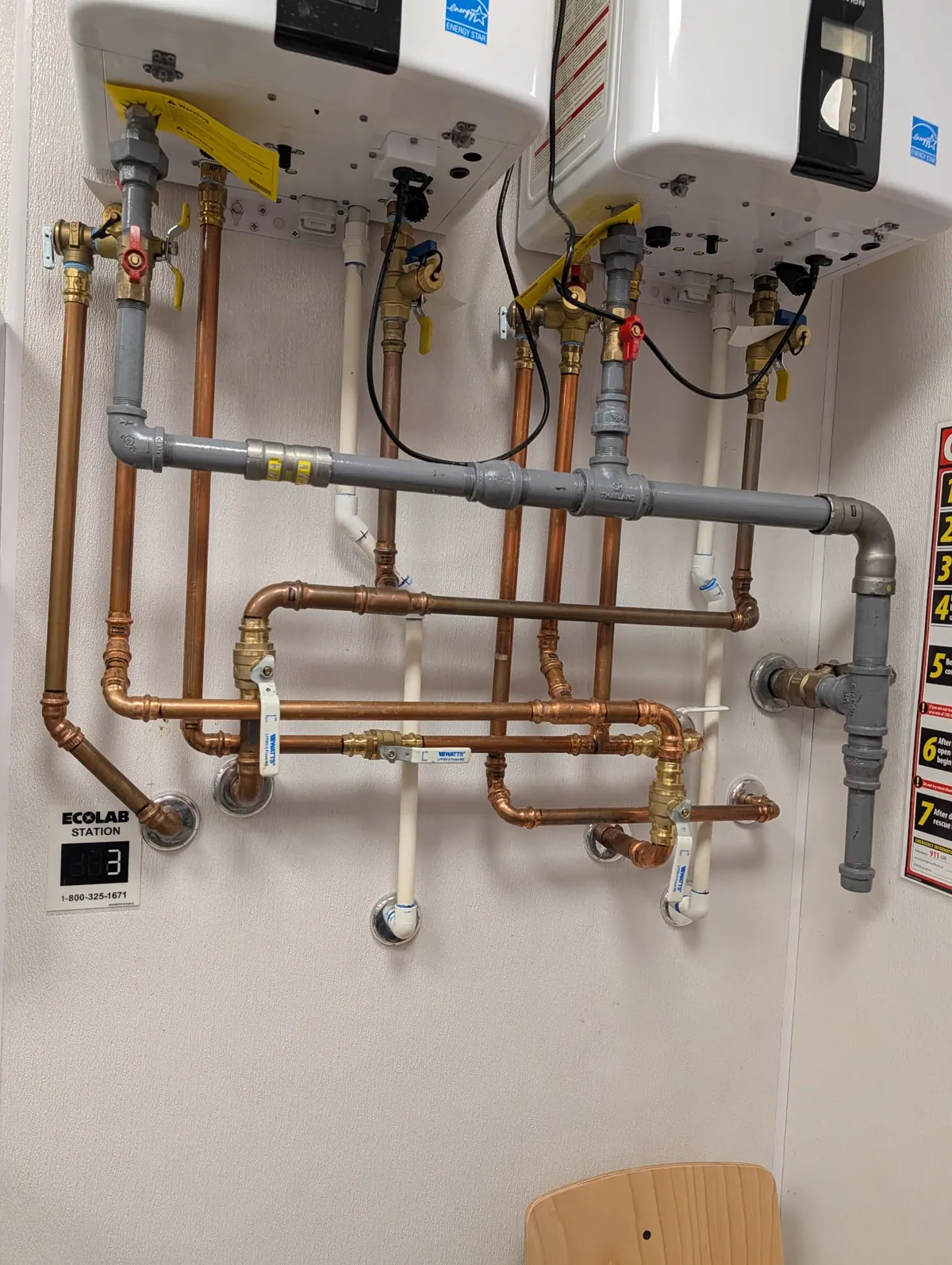


We provide sewer backup service across Philadelphia and Bucks, Montgomery, Delaware and Chester counties.
Stop using all water in the house right away. Do not flush, run the washer or use sinks, because every gallon adds to the backup. Keep children and pets away from the sewage and avoid touching it without gloves. If water is near outlets or appliances, stay out of the area. Then call for sewer backup service so the main line can be cleared and the cause found.
Much of older Philadelphia uses a combined sewer, which carries storm water and sewage in the same pipes. In heavy rain those pipes can fill and push water back toward the lowest drains connected to them, often a basement floor drain. A partly blocked lateral makes it worse. A camera inspection tells you whether your line is clear, and a backwater valve can help stop storm backups.
A backwater valve is a fitting installed on your main sewer line that lets wastewater flow out but closes when water tries to flow back in from the sewer. Homes in Philadelphia that see storm related basement backups are good candidates. The valve has to be installed in the right spot and kept clean to work. We can evaluate your line and give you an upfront quote.
We clean up the plumbing side of a sewer backup: the drains, cleanouts, fixtures and work area involved in clearing the line. We do not provide water damage restoration, drying, flooring removal or mold remediation. If your basement had significant flooding, we will clear and fix the plumbing first, then you can bring in a restoration company to handle drying and cleanup of the space.
It depends on the cause. If the backup comes from a blockage in your lateral, such as roots, grease or wipes, the property owner is generally responsible, because owners maintain the line from the house to the city main in Philadelphia. If the city main itself is blocked or overwhelmed, that is a Philadelphia Water Department matter. A camera inspection helps show where the problem is so you know who to call.
Fullerton is open 24 hours a day, 7 days a week, including nights, weekends and holidays, and we dispatch the nearest available technician for sewer backups. Response depends on location and call volume, especially during big storms when many homes back up at once. When you call, we will give you a realistic sense of timing and tips to limit the damage until we arrive.
Yes, if the cause is not fixed. Roots grow back, grease builds up again and a broken or sagging pipe keeps catching waste. Storm backups from the combined sewer can repeat with the next big rain. That is why we camera the line after clearing it. Depending on what we see, a maintenance schedule, a repair or a backwater valve can lower the chance of another backup.
Clear a clogged main sewer line fast, from the house trap to the city main, with cable machines, jetting and camera proof.
Main Sewer Line Cleaning detailsBasement floor drain, laundry drain and house trap cleaning that stops backups, standing water and sewer smells in Philadelphia basements.
Basement Floor Drain Cleaning details24 hour drain cleaning for backed up toilets, main line clogs and overflowing drains, nights, weekends and holidays.
Emergency Drain Cleaning detailsWe answer 24 hours a day, 7 days a week. Call and talk to a real person, or request service online and we will call you back.
Tell us what is happening. Our team usually calls back within two hours. Emergency? Call now, we answer 24/7.
Or call (518) 776-7838, 24 hours a day